
Three technologies. One lower-carbon path.
Less Carbon Lower Cost
Three material technologies engineered to reduce cement demand while protecting concrete performance.
High-Performance Fly Ash
Explore product
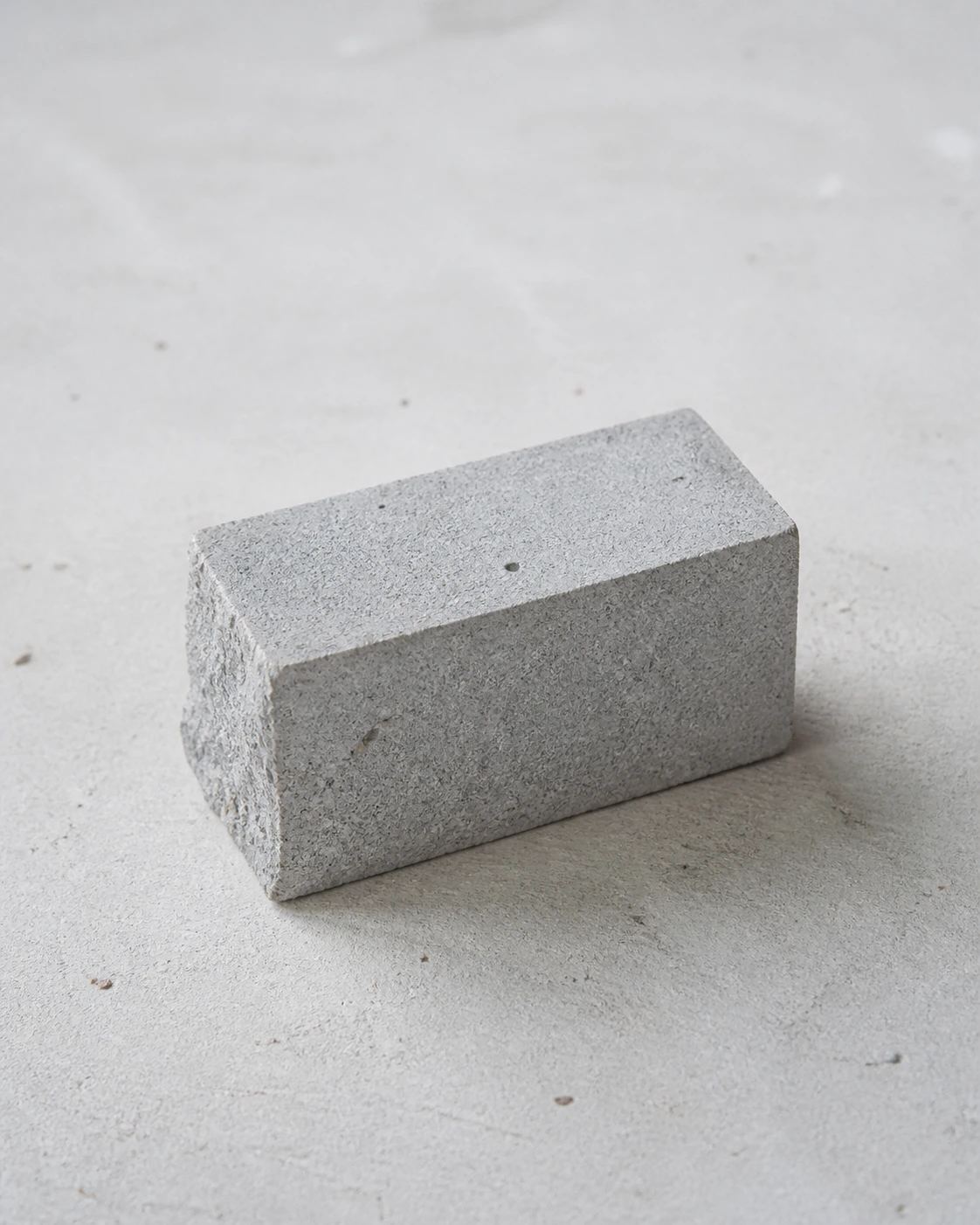
High-Performance Mineral Admixture
Replace part of the cement with a highly reactive composite mineral admixture to help businesses reduce cement dependence while meeting concrete workability, strength and engineering performance requirements.
It is not simply about using less cement. It is about improving the efficiency of the cementitious system.
In conventional concrete, cement typically provides the primary binding function. Through a composite mineral material system, optimized particle grading and high reactivity, the High-Performance Mineral Admixture can significantly reduce cement use after mix-design validation, while keeping total cementitious material content essentially unchanged and meeting engineering performance requirements.
- Equal-mass cement replacement
- 30%-50%
- 28-day activity index
- ≥95%
- Supports strength development at higher cement replacement levels
- Flow ratio
- ≥110%
- Reported result for the currently tested factory-release batches: 112%
VerdantRock Technology
High-Performance Mineral Admixture
Replace 30%–50% of cement by equal mass after mix-design validation, while meeting concrete workability, strength and engineering performance requirements.
Core advantages
Less cement dependence
Total cementitious material content remains essentially unchanged.
A more efficient binder
Composite mineral materials, optimized particle grading and high reactivity.
- Equal-mass cement replacement
- 30%-50%
- 28-day activity index
- ≥95%
- Supports strength development at higher cement replacement levels
- Flow ratio
- ≥110%
- Reported result for the currently tested factory-release batches: 112%
Cement reduction is subject to mix-design validation and engineering performance requirements.
Product overview
Replace part of the cement with a highly reactive composite mineral admixture to help businesses reduce cement dependence while meeting concrete workability, strength and engineering performance requirements.
It is not simply about using less cement.
It is about improving the efficiency of the cementitious system.
Technology & validation
In conventional concrete, cement typically provides the primary binding function.
Through a composite mineral material system, optimized particle grading and high reactivity, the High-Performance Mineral Admixture can significantly reduce cement use after mix-design validation, while keeping total cementitious material content essentially unchanged and meeting engineering performance requirements.
Cement drives costand much of concrete's carbon footprint.
Reducing high-carbon cement use is one of the most direct routes to lower embodied carbon in concrete materials.
Binder compositionBinder composition
of total binder mass
Conventional mix 100%
Cement 400 kg/m³
Cement-related emissionsCement CO₂e
kg CO₂e / m³
367.60
Conventional mix 367.60
Cement only · A1-A3
Cement purchase costCement cost
¥99.64CNY / m³
Conventional mix ¥99.64
Price reference ¥249.10 / tonne
High-Performance Fly Ash
VerdantRock Technology High-Performance Fly Ash is a composite mineral admixture developed for ready-mixed concrete and related cement-based materials. It is priced lower than S95-grade ground granulated blast-furnace slag (GGBFS). In mix designs already using S95, it can replace the original S95 on a 100% equal-mass basis, reducing costs and improving company profitability while maintaining equivalent performance.
100%Equal-mass S95 replacement
S95 → 0After replacement
VerdantRock Technology
High-Performance Fly Ash
Replace existing S95 by equal mass with a lower-priced composite mineral admixture. Designed for ready-mixed concrete and related cement-based materials, while maintaining equivalent performance.
Core advantages
No additional admixture type
Directly replaces the S95 already used in the original mix.
Lower material cost
Priced below S95-grade GGBFS, with equivalent performance.
100%Equal-mass S95 replacement
S95 → 0After replacement
Applies to mix designs already using S95; replacement is based on the original S95 quantity.
Product overview
VerdantRock Technology High-Performance Fly Ash is a composite mineral admixture developed for ready-mixed concrete and related cement-based materials.
S95 replacement
It is priced lower than S95-grade ground granulated blast-furnace slag (GGBFS).
In mix designs already using S95, it can replace the original S95 on a 100% equal-mass basis, reducing costs and improving company profitability while maintaining equivalent performance.
Autoclave-Free PHC Admixture
By improving cementitious reaction efficiency under atmospheric-pressure steam-curing conditions, the admixture enables PHC piles to achieve target performance after atmospheric-pressure steam curing, providing the material basis for eliminating the conventional high-pressure autoclaving stage.
Conventional high-strength PHC pile production typically involves atmospheric-pressure steam curing followed by high-pressure autoclaving.
VerdantRock Technology's Autoclave-Free PHC Admixture is engineered for steam-cured concrete systems. By optimizing particle grading, packing effects, and cementitious reactivity under steam-curing conditions, production-line validation has shown that PHC piles can eliminate high-pressure autoclaving while retaining atmospheric-pressure steam curing. This does not eliminate curing; it enables the material to develop strength within a simplified curing regime.
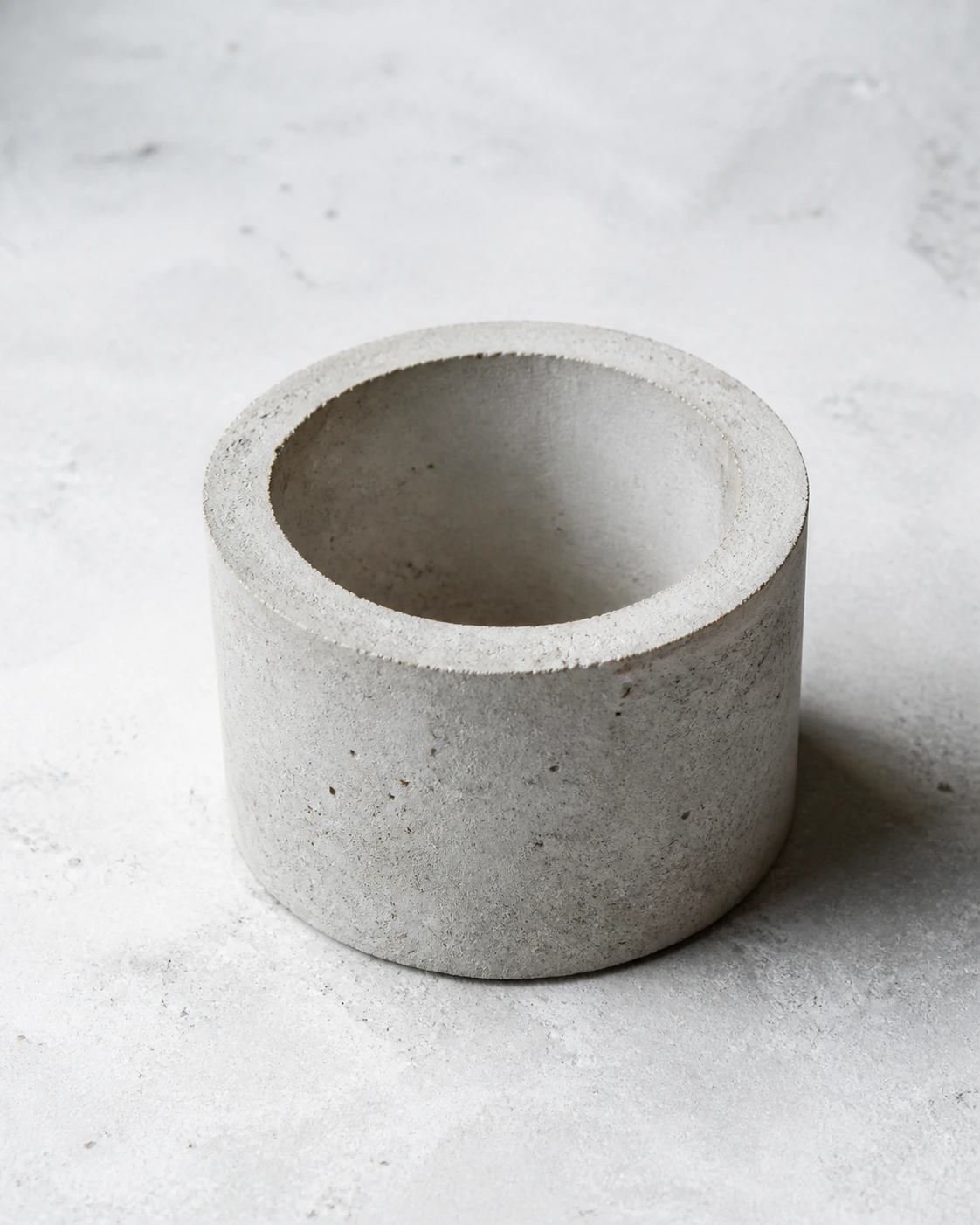
VerdantRock Technology
Autoclave-Free PHC Admixture
Simplify PHC pile production following production-line validation. Retain atmospheric-pressure steam curing to achieve target performance without the conventional high-pressure autoclaving stage.
Core advantages
Retain atmospheric steam curing
This simplifies the curing regime; it does not eliminate curing.
Remove the high-pressure stage
Material performance provides the basis for a simplified production route.
Subject to production-line validation and target product performance, while retaining atmospheric-pressure steam curing.
Curing principle
By improving cementitious reaction efficiency under atmospheric-pressure steam-curing conditions, the admixture enables PHC piles to achieve target performance after atmospheric-pressure steam curing, providing the material basis for eliminating the conventional high-pressure autoclaving stage.
Conventional high-strength PHC pile production typically involves atmospheric-pressure steam curing followed by high-pressure autoclaving.
Production-line validation
VerdantRock Technology's Autoclave-Free PHC Admixture is engineered for steam-cured concrete systems.
By optimizing particle grading, packing effects, and cementitious reactivity under steam-curing conditions, production-line validation has shown that PHC piles can eliminate high-pressure autoclaving while retaining atmospheric-pressure steam curing.
This does not eliminate curing; it enables the material to develop strength within a simplified curing regime.
VerdantRock optimized route
One Less High-Pressure Autoclaving Stage.Lower Production Energy.
Reduce the energy demand of PHC pile manufacturing through material performance.
Mixing
Cementitious materials, aggregates and water are blended into a uniform concrete mix.
Distribution / centrifugal forming
Concrete is distributed into the steel mould and compacted by controlled centrifugal rotation.
Resting
The formed pile rests before steam curing so its internal structure can stabilize.
Atmospheric steam curing
Normal-pressure steam accelerates early hydration and develops demoulding strength.
- High-pressure autoclaving removed
High-pressure steam curing
The conventional route adds a sealed high-pressure autoclave cycle to develop final performance.
Autoclave cooling / post-processing
The cured pile is released, cooled and prepared for final quality processing.
Inspection
Dimensions, appearance and performance are checked against production requirements.
Finished product dispatch
Qualified PHC piles are stacked, protected and released for delivery.
Autoclave-Free PHC · Operating value
Beyond one production stage.Less cost across the operation.
High-pressure steam curing carries energy, equipment, time and operational management costs. When the conditions for removing the autoclave stage are met, these costs can be reassessed and optimized.
High equipment operating costs
Long production turnaround
Subject to production-line validation and required product performance. Atmospheric-pressure steam curing is retained. Illustrations are qualitative, not quantified cost-saving estimates.